
I’ve been mulling over ideas for my final-year project for several months now. At the moment, they’re all jumbled up in my head, in a chaotic and disorganised mess. So, for me, the most important thing in this first week is to bring these fragmented ideas together and pull them all out of my head, so that there’s at least some logic to them. We’ve been asked to put together a design proposal, which is a great help to me as it allows me to organise my thoughts by following a set process.
I believe the ultimate aim of completing this proposal is to demonstrate that I have identified a direction worthy of a whole year’s continuous exploration, and that I understand why I am interested in it and the possible approaches I might take to research and create within it. I tend to follow a traditional design process when completing projects, beginning with research, then refining my ideas, producing several prototypes, refining them further, and finally presenting the final outcome. Therefore, I try my best not to think about what the final product will look like until the concepts and theory have been fully developed. (Although I cannot help but think about it.) Working towards a pre-determined end product loses sight of the essence of design. Nor is this the kind of art I wish to create. Therefore, what I need to do now is to unpack the ideas in my mind and seek a starting point, rather than a conclusion.
I’ve always wanted to create something that draws on my own experiences—something deeply personal, or perhaps quite emotional? Having studied at art school for so many years, I’ve never really been keen on exploring grand narratives; I simply hope my work isn’t overly critical, yet still resonates with a specific audience. At the same time, I hope it can also serve to ‘draw the general public into my own way of thinking’. I believe that as long as I make these feelings concrete enough, this is achievable. It’s just that what first came to mind wasn’t so much a clear-cut ‘project idea’ as a jumble of personal experiences, emotions and concerns all mixed together.
Have you ever wondered how you came to be the person you are today? This question might seem a bit out of the blue, but what I mean is that perhaps the kind of person we become isn’t really something we consciously choose for ourselves, but rather the result of being influenced by some unseen force. From a very young age, I set off on my own to study in unfamiliar cities. Over the years, I’ve travelled to countless places, experienced countless things and met countless people. Now I’m in Scotland, a place that bears a striking resemblance to my hometown—Inner Mongolia. Perhaps it’s the natural environment, the scenery, or the way people live their lives. But that’s not what I’m getting at; I’m not here to compare Inner Mongolia and Scotland. What I mean is: why does an unfamiliar place remind me of another? Or, to put it another way, are places constantly shaping us? Taking this further, do the places I have left behind still exist within me today? This brings me back to the original question: how much of ‘me’ is the result of my own choices, and how much has been shaped by the places I’ve travelled, the people I’ve met, chance occurrences, and memories I’ve long since forgotten?
I believe that when a person is constantly on the move, two processes are actually taking place simultaneously: you are constantly gaining new things, whilst at the same time constantly losing old ones. As I have drifted from place to place year after year, my understanding of life has deepened with each passing year, yet I have also cast aside so much. Memories fade, friends drift out of touch, the streets I used to walk every day are forgotten, the sounds of a particular place vanish, and it becomes increasingly difficult to reconnect with the ‘self’ I once was in that place; yet, strangely enough, even though we may no longer remember it, it continues to shape who we are today. I’m not even in a hurry to give this project a formal title just yet, but for the sake of this simple discussion, I’ll call it ‘How did I become me?’, or ‘Things That Made Me’.
In this project, ‘wandering’ may serve as the backdrop, but it is not necessarily the central theme. It is more like my personal context. I realise that my real concerns may be:
Multiplicity of self / transformation of identity / loss through growth.
I realised I think this way because my life has been marked by numerous physical ‘breaks’: leaving one place → leaving things behind → arriving at a new place → forming new relationships → creating a new self → leaving again. It took me many years to come to terms with my experiences of wandering; I came to understand that this is my destiny. I began to try to make sense of this way of life, and I discovered that it is actually not so bad. At the very least, it has enriched what is known as ‘life experience’. But this has also meant that I feel no sense of belonging anywhere. As for the process of constantly ‘letting go’ of things, I believe this is what is meant by ‘growing up’. For me, growing up is actually the process of continually letting go—letting go of a part of myself, relationships with others, and even memories and feelings—so that I can become a new person. I don’t know if this is right or wrong; to be honest, looking back, I’m not even sure I can find anything in common with the person I was two years ago. I mean, if the vast majority of a person has changed, are they still the same person? Their body is still this body, and their name is still the same. But the things they like have changed, their friends have changed, the city has changed, their values have changed, their memories have faded, the way they speak has changed, and the way they face the world has changed too. So what exactly is it that still makes us willing to say, ‘That person is me too’?
I don’t think this is a form of nostalgia, because I don’t feel that ‘things from the past are all so precious, and I long to go back’. Similarly, I don’t seem to be simply resisting ‘loss’ either. I simply believe that in order to become a new version of myself, I must let go of my old self. Because if I lose nothing, growth itself may not be possible.
To be honest, I prefer ‘Things That Made We’ to ‘Things That Made Me’. Although this phrase sounds grammatically incorrect, the ‘We’ here does not refer to a group of people, but rather to the plural form of a single person. This ‘we’ does not refer to ‘me and others’, but to ‘different versions of myself’. I now feel that ‘We’ might well be the true core of this project. I think it can be organised around a very interesting contradiction: growing up allows a person to become themselves, whilst at the same time causing them to constantly lose themselves.
I tried to categorise all these ‘selves’, but it proved really difficult. I feel that human beings are truly complex; it’s hard to simply smash them apart like a plaster cast, pick up each fragment, and then say that these pieces are parts of that person. So I began to think that perhaps I shouldn’t be categorising these ‘selves’ at all.
One might even say that the failure to categorise is, in itself, part of this project. ‘We’ does not necessarily mean the sum of many ‘I’s, as if it were a mathematical structure. Mathematics has logic, but for human beings, there is no logic to follow. For even within the same ‘I’, there are already internal contradictions. I can love a place whilst desperately wanting to leave it; I can cherish someone deeply whilst not wanting to see them again; I can miss the person I once was whilst knowing I would absolutely never want to be that person again; I can believe that something has hurt me whilst acknowledging that without it, I would not be who I am today.
As subjects, we contain conflicting truths.
As human beings, it is precisely the ‘irrationality’ of these conflicts makes us real.
I believe that my work should not attempt to resolve these contradictions; perhaps the key lies in allowing them to coexist. In this way, the ‘Things’ mentioned earlier also become more complex. It is not the kind of broad relationship previously described, where ‘traces left by certain things in a certain place shape us’. It is perhaps more like a single thing leaving behind many contradictory traces. Take a city, for example: it might signify freedom, loneliness, novelty, weariness, a particular person, a failure, a certain kind of weather, or a phase of one’s own life. A few years on, some of these elements have vanished, some have been reinterpreted, and some are even memories we have ‘created’ in retrospect. Consequently, we will never be able to organise, archive or categorise these aspects of our lives.
Things That Made We does not explore the question ‘What constitutes me?’, but rather ‘How can all these contradictory things still constitute me?’ Just like me, I don’t know where my hometown is, but that doesn’t stop me from missing many places. I’m not the same person I was two years ago, but that doesn’t stop me from acknowledging that he is me. I know that many things are bound to be lost, but that doesn’t stop me from treasuring them. I know someone are not at all likeable, but that doesn’t stop me from thinking of them.
I believe this approach is particularly well-suited to interaction design, as interaction by its very nature allows for uncertainty, change and contradiction.
On the subject of ‘different versions of oneself’ or ‘multiple selves’, this reminds me of a book I happened to come across many years ago. Over the past few days, I have spent some time giving it another cursory read. The book is called The Book of Disquiet, written by the early 20th-century Portuguese poet and writer Fernando Pessoa. This book comprises essays written during his later years; it is a diary-style novel that was compiled and published posthumously by his descendants.
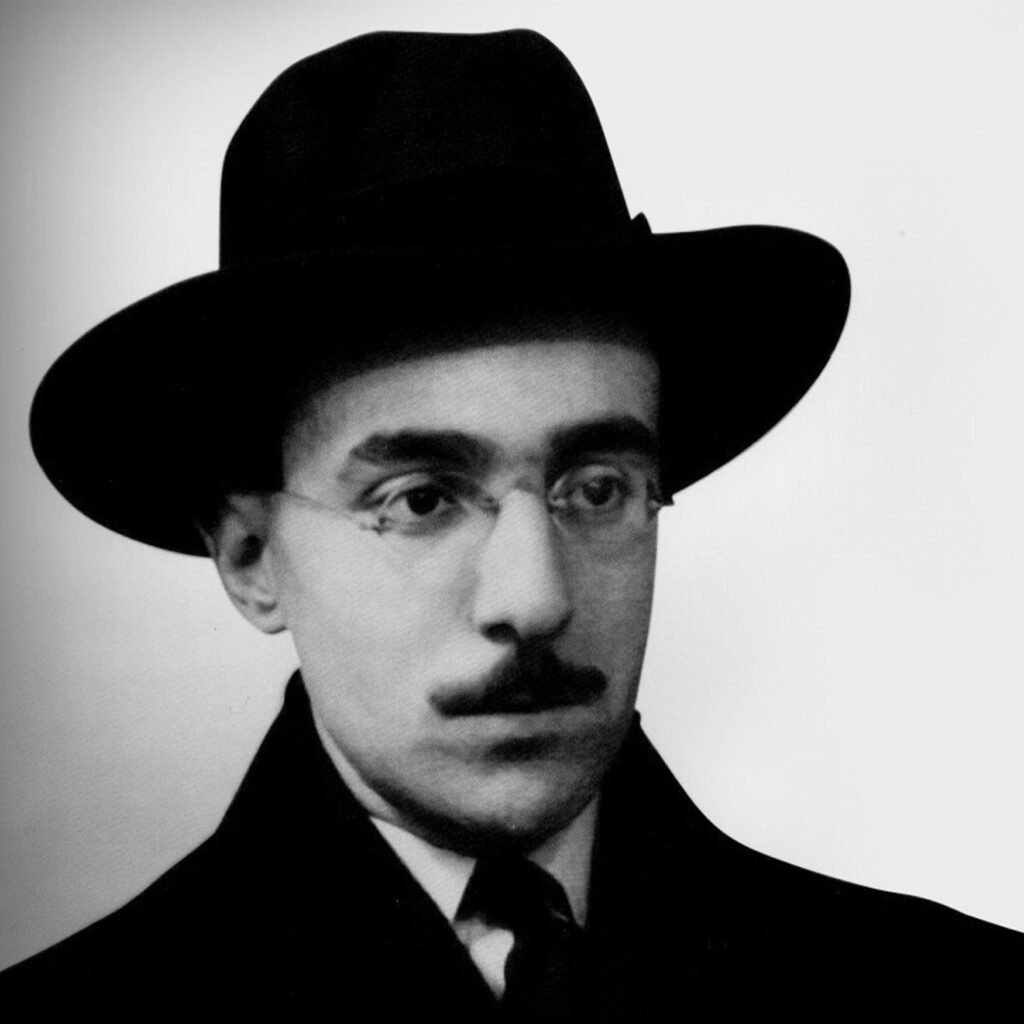
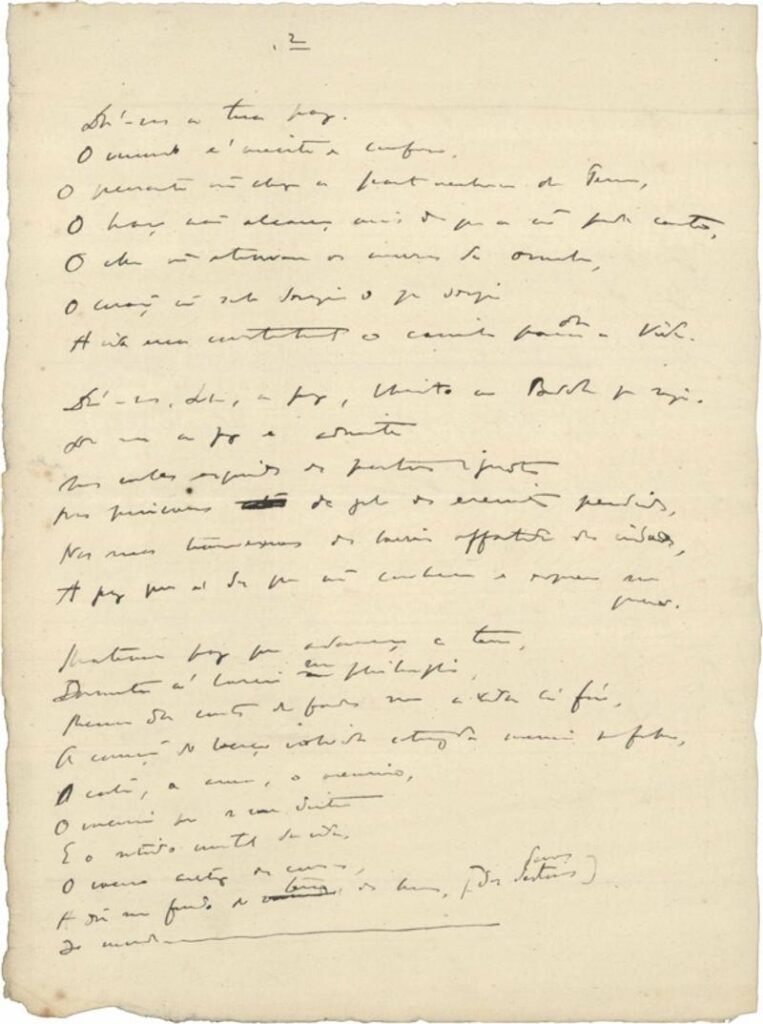
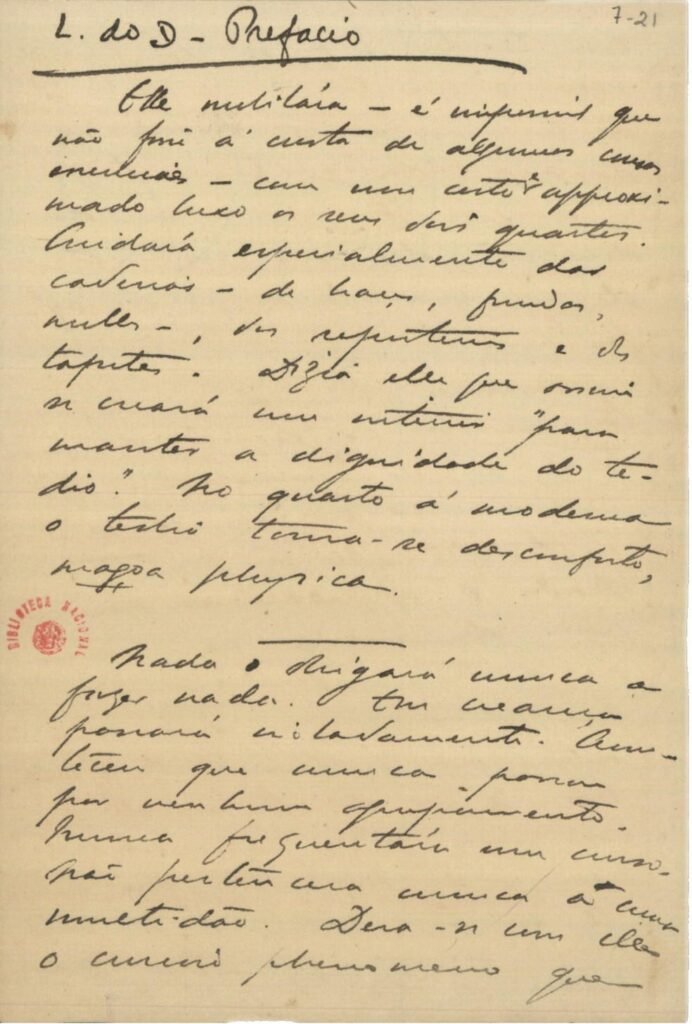
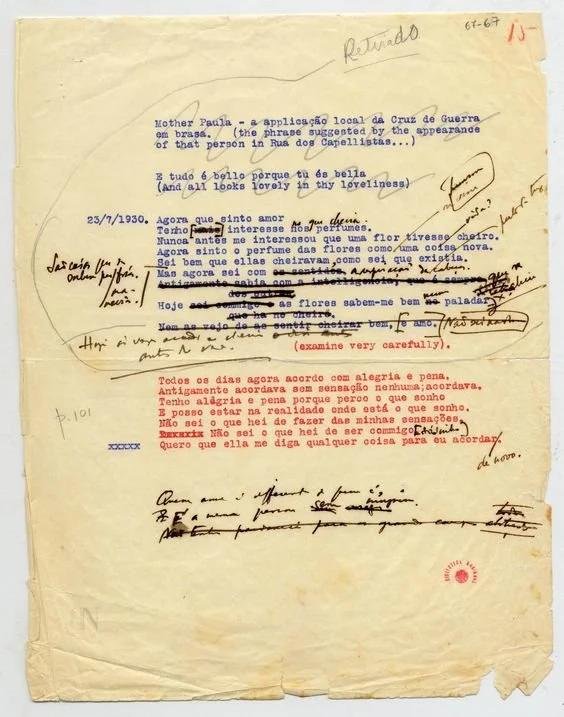
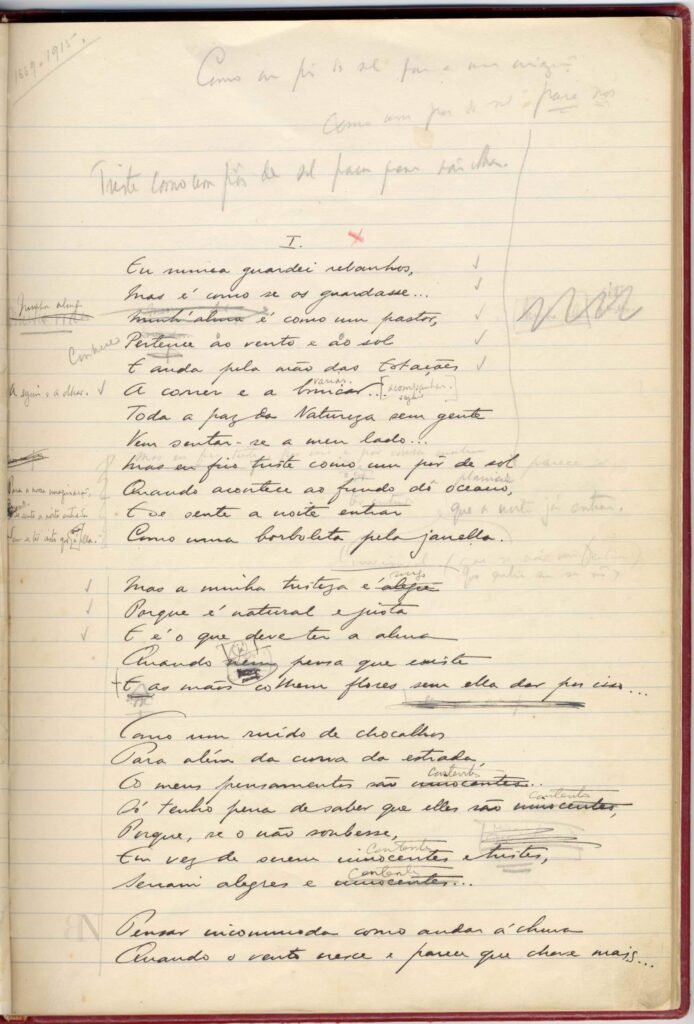
He is a rather interesting character; to be honest, I did not know much about him prior to this, as he is not particularly well-known in Eastern literary circles. However, as a poet of Universalismo, his worldview—which appears to be influenced by both Eastern and rationalist philosophical thought—seems rather contradictory, as he embraces both a singular and a multifaceted perspective on the world. I believe this reflects the inherent contradictions within his own character.
Returning to this book and his work itself, what I wish to emphasise here—and indeed the main reason I set out to read his work—is his use of an extremely distinctive writing style and technique: heteronymy. This involves creating distinct personas with different names, life experiences, professions, writing styles and ideologies, and even relationships and disagreements amongst themselves; through the clash of ideas between these personas, he brings to light profound philosophical meanings concerning truth, existence and individuality.
When I first began reading it, due to my lack of familiarity with this literary style and the author himself, I assumed he was trying to convey the idea that ‘I have many different facets’. However, as I gained a deeper understanding, I realised that what he was actually expressing was more like a rhetorical question: ‘Why must a single “I” necessarily encompass only one author, one voice, and a single, consistent set of ideas?’ This line of thinking is very close to the positioning of the ‘we’ in my own project. I rather like it. However, what I intend to do is precisely the opposite of what he does: whilst he breaks down, names and personifies every personality within his work, I do not wish to do so. I believe it is impossible for human beings to be so completely fragmented into distinct personalities; in this respect, his work strikes me as overly idealised.
If the previous author was a bit too niche, then I’m sure most of you will have heard of the person I’m about to mention. Walt Whitman, the renowned American poet, essayist, journalist and humanist. Whitman is regarded as one of the most influential poets in the history of American literature and is hailed as the ‘father of free verse’. Personally, I consider him to be the greatest poet of the entire 19th-century Western literary world. His poetry reveals a distinct individuality, brimming with a clear sense of personal will.
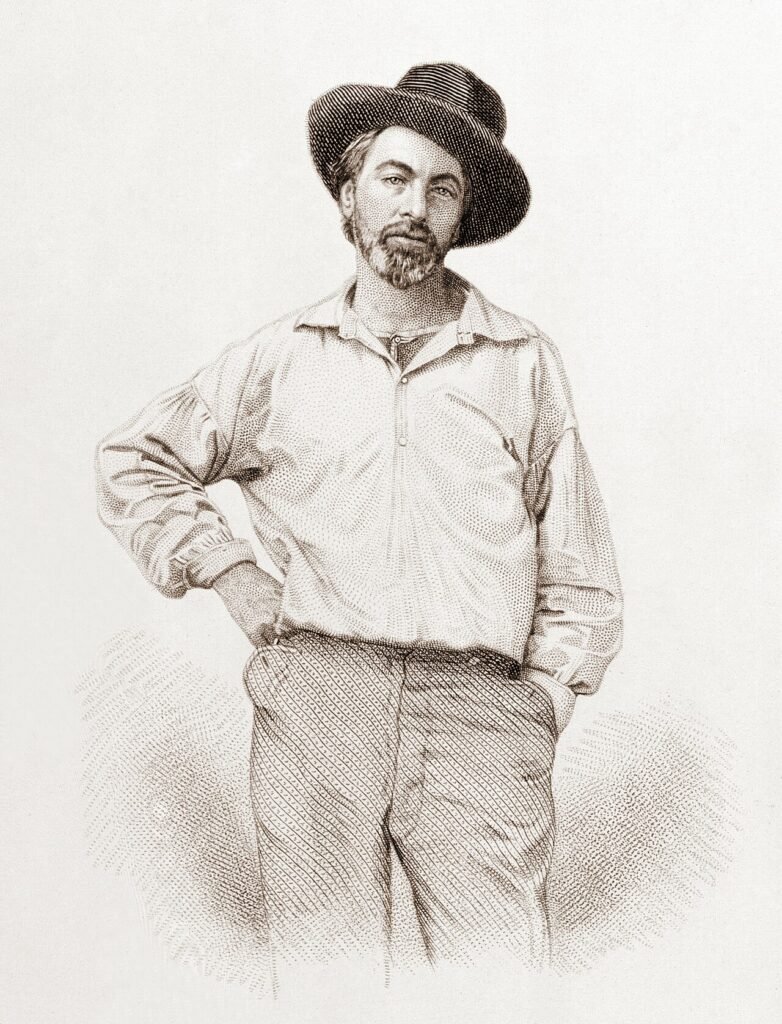
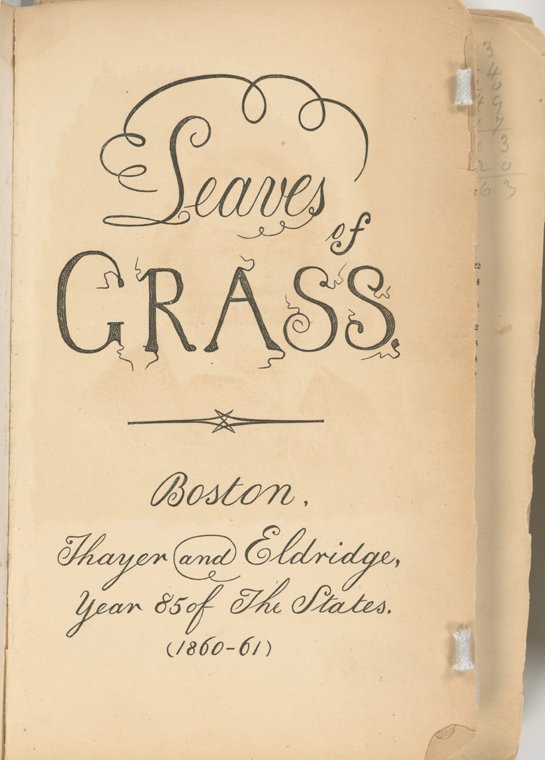
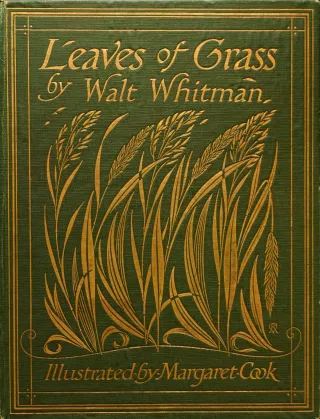
My first encounter with his work came when I watched a truly classic film called Dead Poets Society during my sixth-form years. The scene in which the students stand on their desks and shout ‘O Captain, my Captain!’ is a classic moment in cinematic history, and one that remains vivid in my memory. Subsequently, I read through Leaves of Grass, the work to which he devoted his entire life; this collection of poems was like a wild bolt of lightning that shattered the shackles binding my heart.
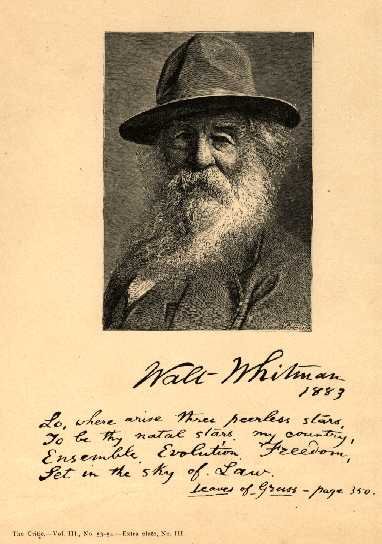
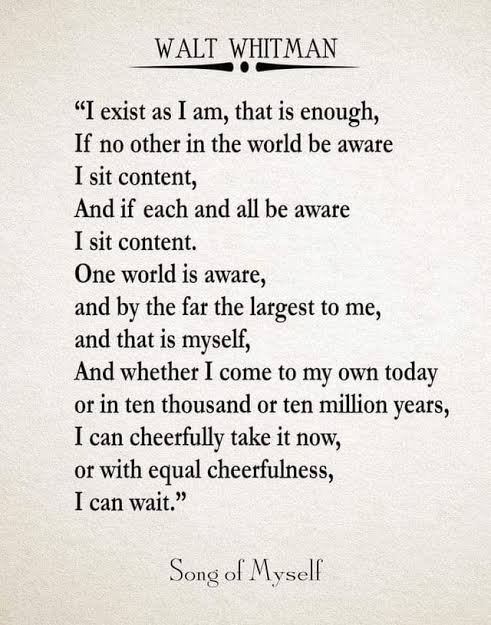
His poetry celebrates every individual—different people, engaged in different occupations and pursuing different pursuits—just as the title of this collection suggests: growing ceaselessly, free, equal and unpretentious yet magnificent, much like grass. I am particularly fond of the famous idea in Song of Myself: he directly embraces his inner contradictions and declares that he ‘contains multitudes’. I feel this is very much in line with what I have said before: a person is a vast amalgamation of contradictions, and what we must do is not resolve these contradictions in order to become a ‘pure person’, but rather recognise that these contradictions are, in fact, the very capacity that defines me.
In addition, I have found some artworks relevant to my topic. The first is Christian Boltanski’s Little Memory; from the perspective of artistic practice, I believe this is a subject well worth exploring. Before turning to photography and film, Christian was a painter. He is renowned for his installation works, which function both as inventories and archives, exploring our relationship with history and memory.
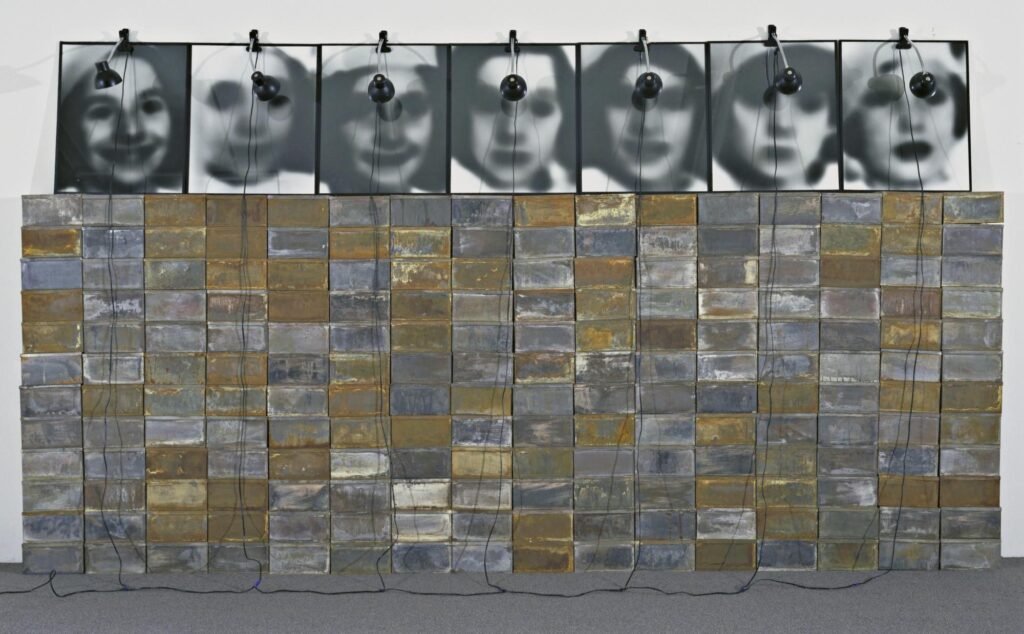
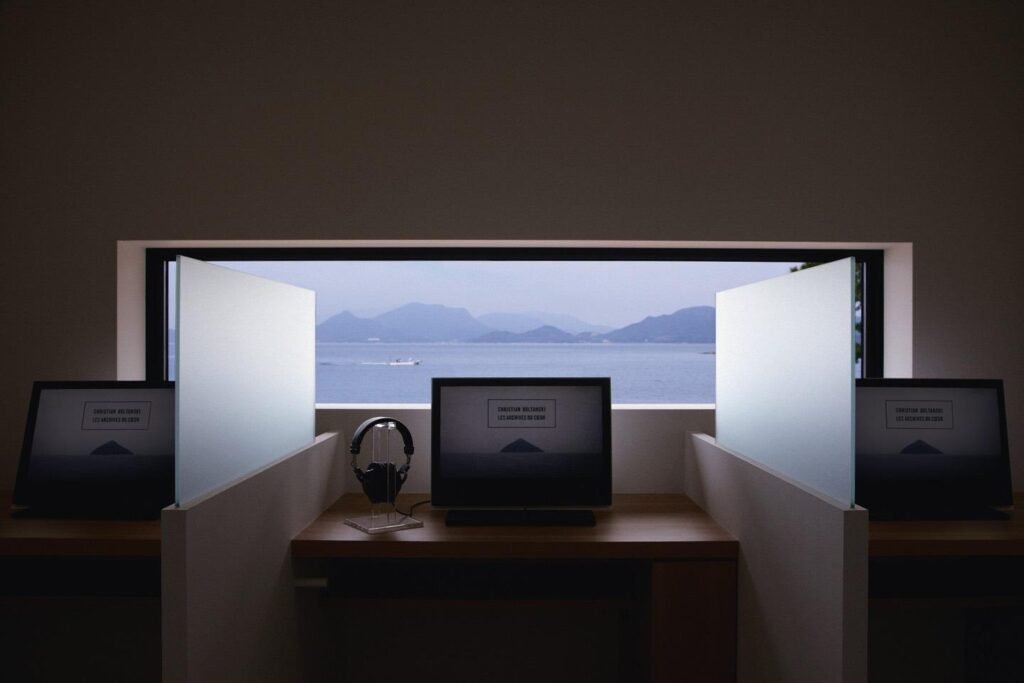
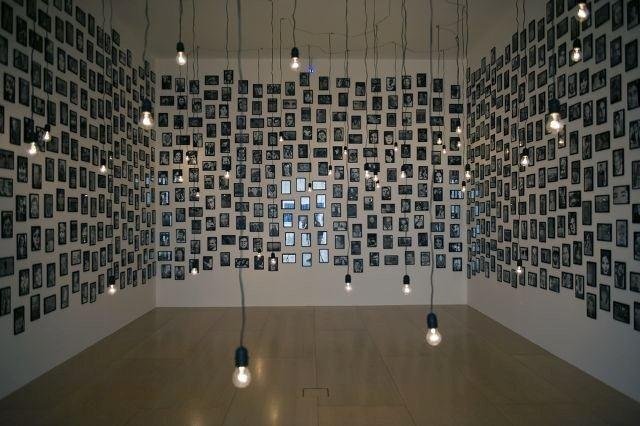
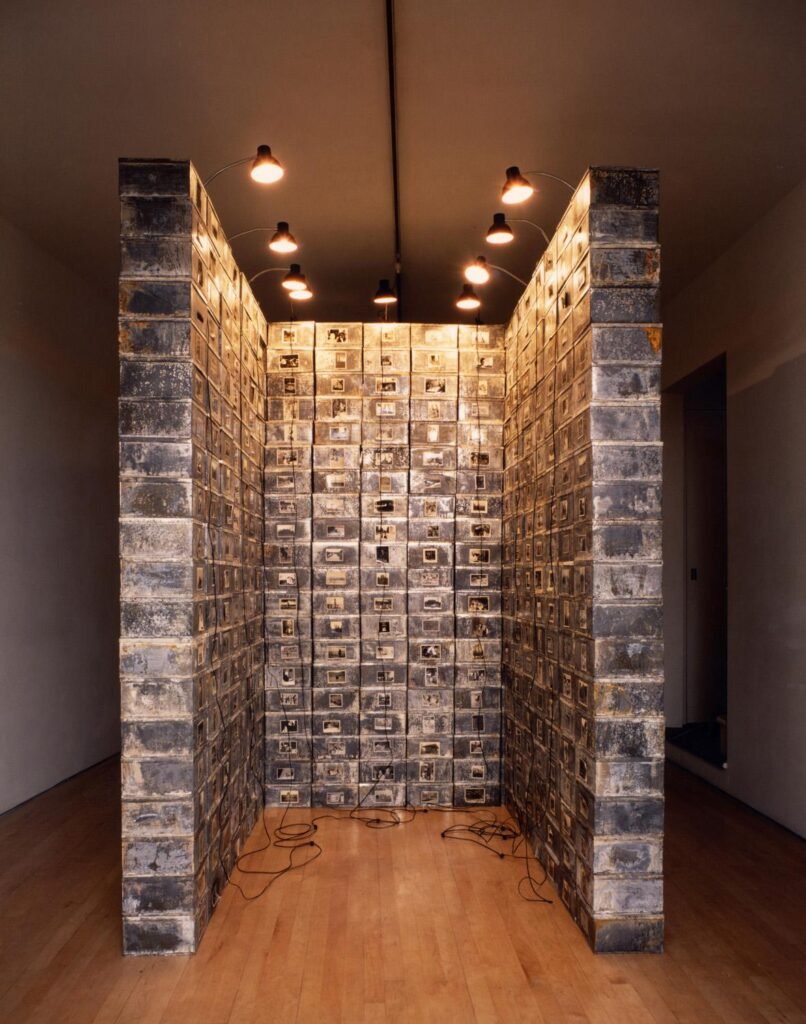
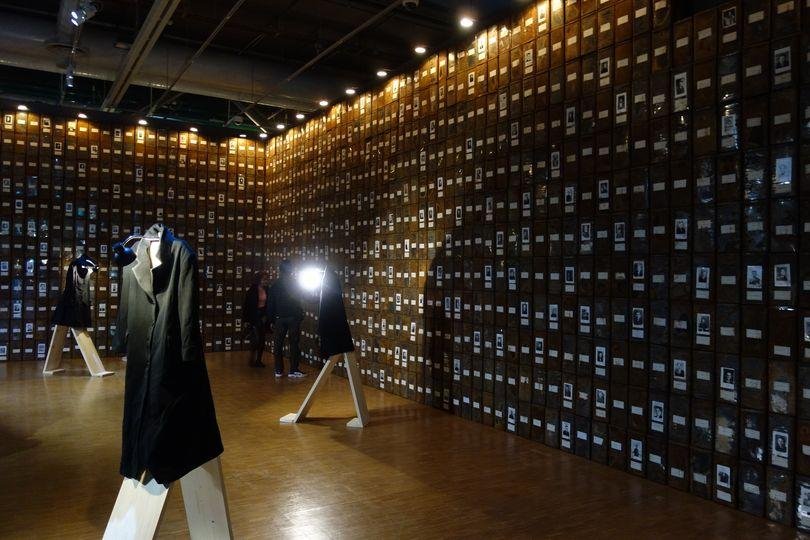
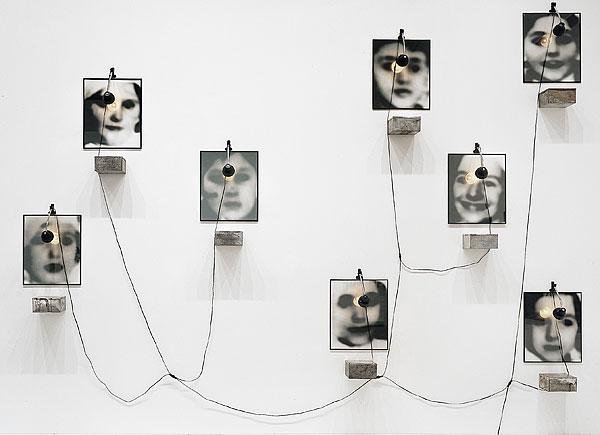
He has long engaged with themes such as memory, absence, identity and the archive; for him, ‘little memory’ is not the grand ‘Memory’ found in history books, but rather the fragile, everyday memories that make up the life of an ordinary person. I find that this sensibility resonates deeply with me; I, too, have little time for grand narratives, preferring instead to start from personal experience and delve into deeper realms. His projects are therefore well worth comparing with my own work. It is worth noting that his The Heart Archive is particularly intriguing: he invites participants to record their own heartbeats, which are then added to a continuously growing archive. Each person’s most private and vital elements ultimately become part of a vast collective archive. So, essentially, what he is attempting to do is to archive a person. And then there is The Storehouse, in which he has collected numerous old photographs, tin tins and pieces of fabric—which appear to be relics left behind by specific lives—yet the authenticity of many of these so-called ‘archives’ has in fact been deliberately subverted by him. Consequently, these archives simultaneously embody both the ‘remembering’ and the ‘forgetting’ inherent in memory.
Viewed from these perspectives, the themes his work seeks to convey are very similar to what I mentioned earlier regarding ‘the impossibility of archiving a person’.
There is one final artist and her work that I would like to mention, as her work is not particularly closely linked to my project. However, I would still like to say a few words about it, as I personally really like this project and have learnt a great deal from it.
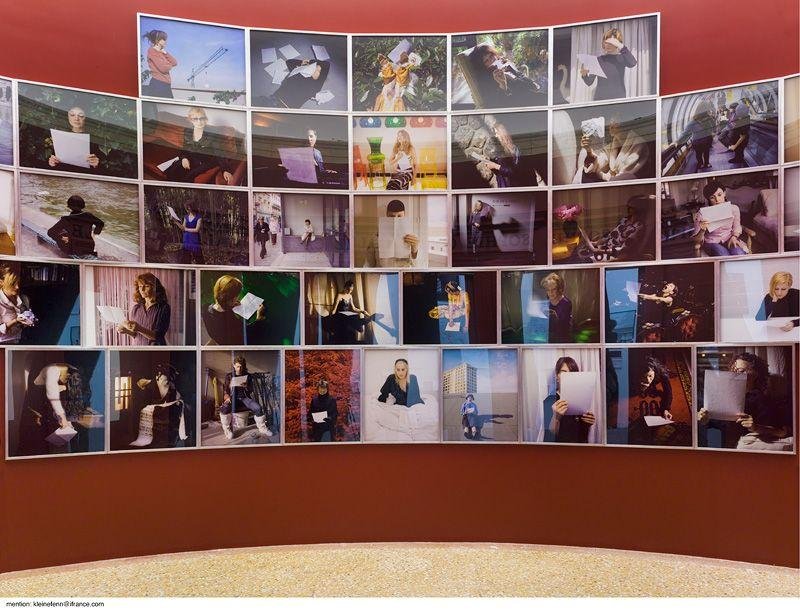
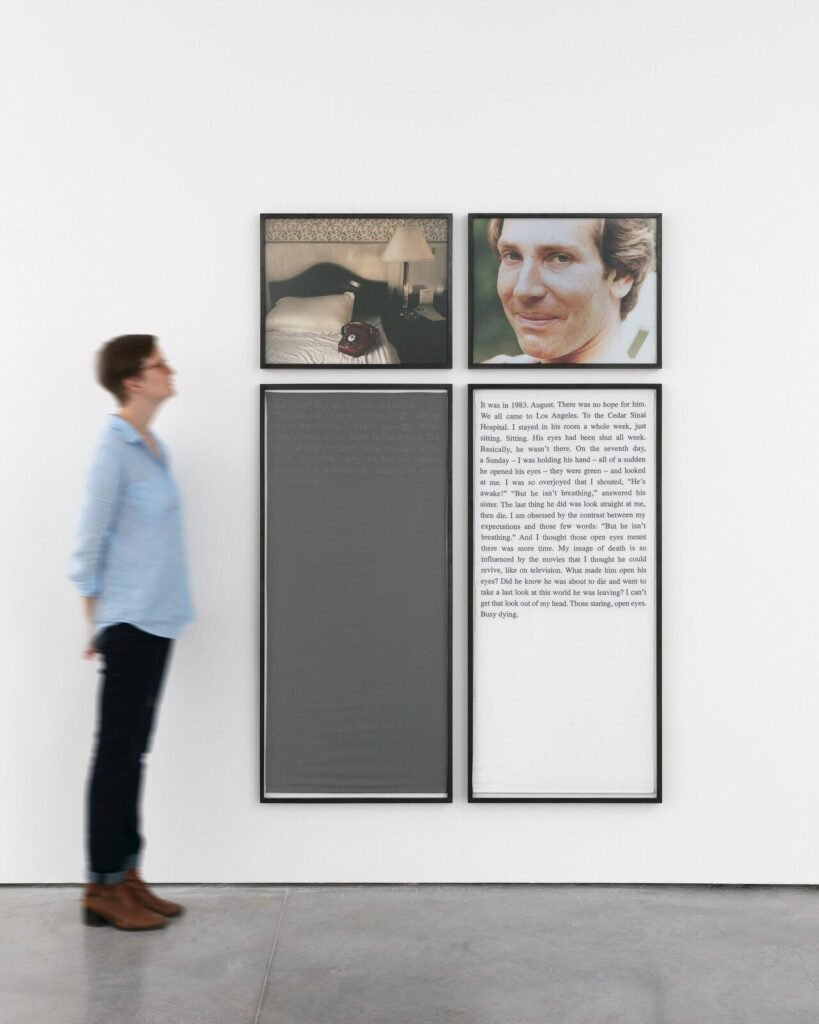
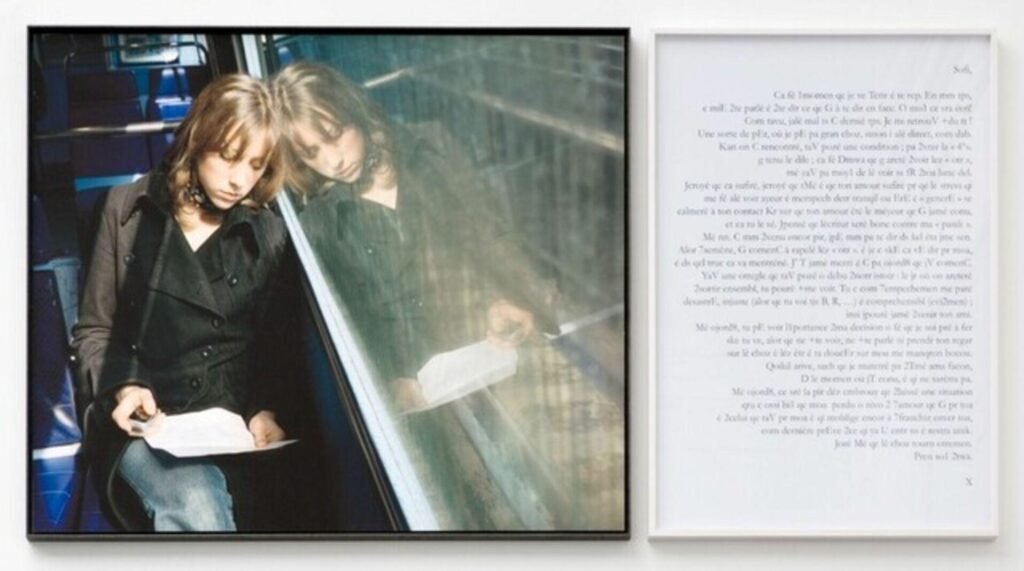
Sophie Calle is a French writer and photographer. In both her projects Take Care of Yourself and Exquisite Pain, she repeatedly raises the question: how should we deal with ‘what remains’ after a relationship has ended? In Exquisite Pain, she transformed the pain of a relationship’s end into photographs and text; whilst Take Care of Yourself takes a more direct approach—after receiving a break-up email, she handed the message to 107 women from different professions and backgrounds to interpret, analyse and perform. Consequently, ‘breaking up’—which starts out as an extremely private matter, such as ‘he left me’—has, following constant intervention and deconstruction by others, become ‘how are we going to part ways?’.
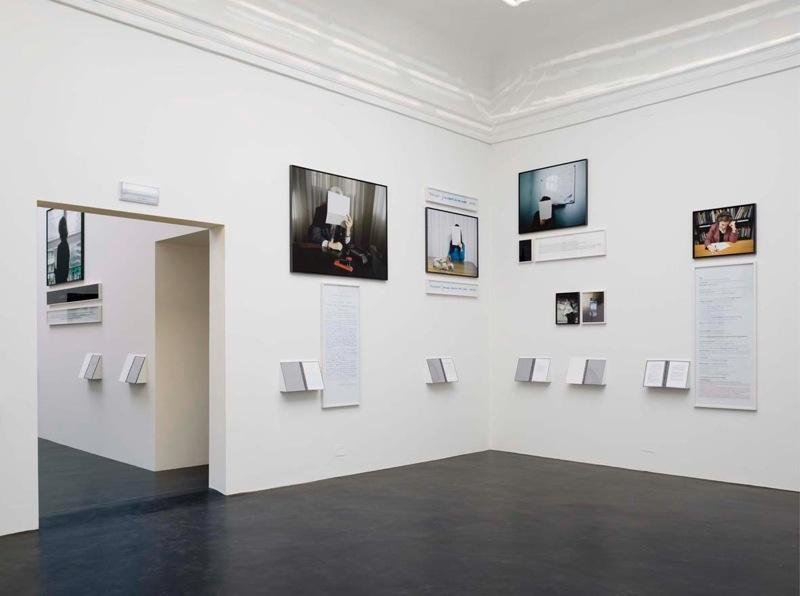
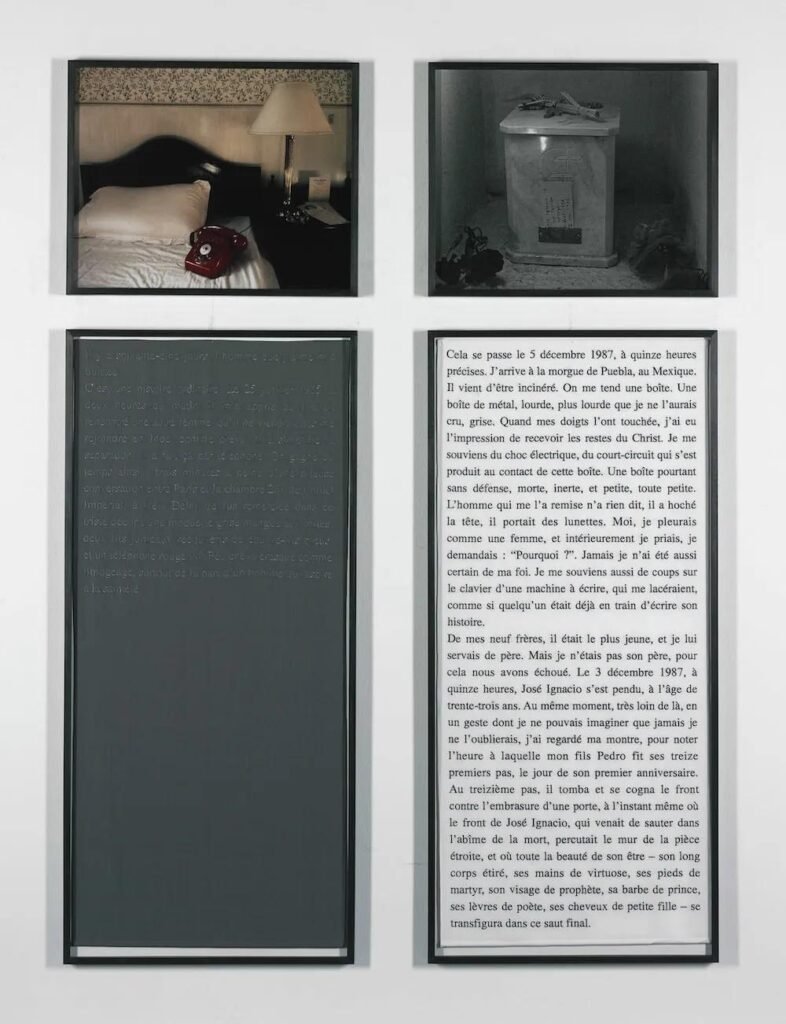
The reason I say Sophie’s project has little relevance to mine is that I am not inclined to view my own project purely as a matter of personal relationships. However, I believe that some of her design concepts and creative strategies are still worthy of my particular attention, as they directly address the question regarding the ‘audience’ in your proposal: I do not need to dilute the project’s personal nature simply to ensure it is understood by the ‘general public’. On the contrary, I can make a deeply personal experience concrete enough to allow others to find a way into it. Her project is also the reason why I believe this approach is viable.
To sum up, as I finish writing this learning journal, it is the second week of the academic term. Fortunately, however, I have already identified a topic on which I can spend a year conducting in-depth research. I will do my utmost to complete the draft proposal whilst continuing to gather information and carry out research. I intend to ground this project in my lived experience, not to discuss these experiences themselves, but to explore deeper and more meaningful themes. There is still a long way to go on this journey.